Incentive Structures Directing Selections in Online Wheel Game Variants
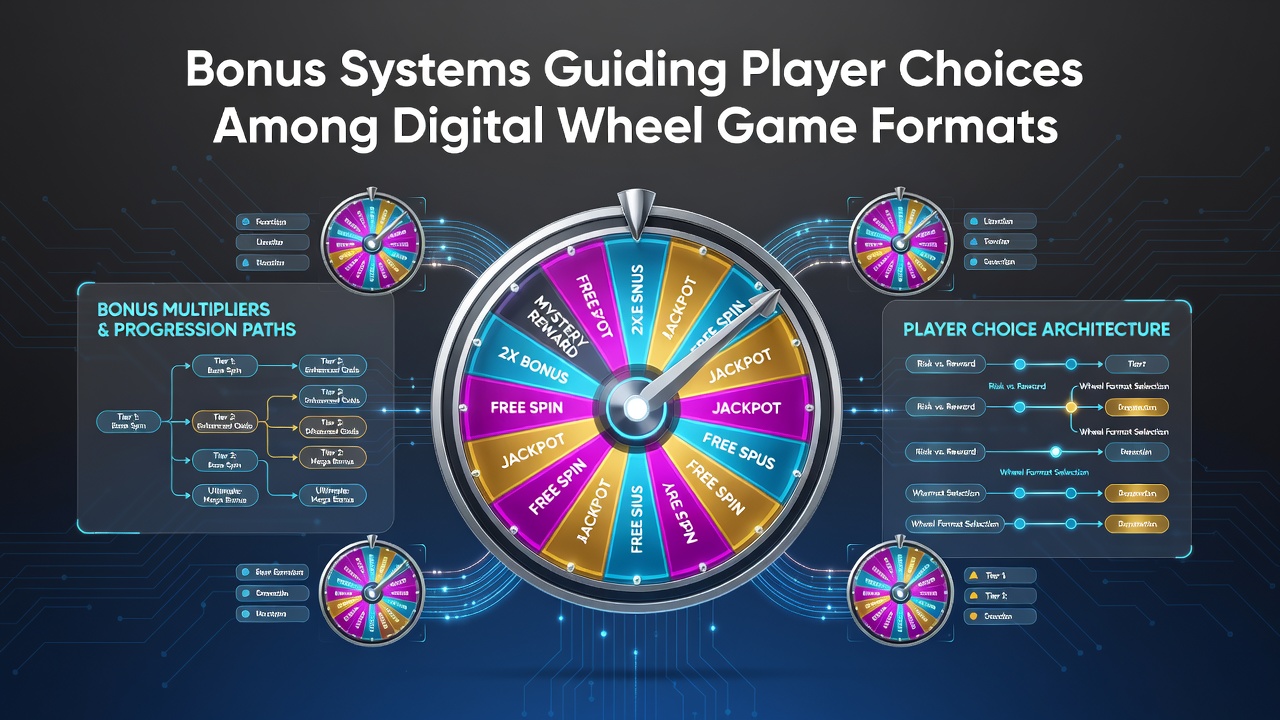
Bonus systems in digital wheel game formats operate through layered reward mechanisms that adjust player decisions across variants such as European roulette, American roulette, and French roulette alongside other spinning formats like Big Wheel derivatives. These structures include deposit matches, cashback percentages, free spin allocations tied to wheel spins, and tiered loyalty points that convert into credits or multipliers. Observers note that platforms deploy these tools to steer traffic toward specific game configurations where house edges or volatility profiles align with operator goals.
Core Components of Bonus Allocation in Wheel Formats
Deposit match bonuses typically apply percentage uplifts to initial funds, yet restrictions often limit their use to lower-volatility European or French wheel variants where single-zero layouts reduce risk exposure. Cashback programs return a fixed portion of losses over defined periods, and data from the Netherlands Gaming Authority shows these refunds frequently favor formats with higher betting frequency such as multi-wheel or auto-spin modes. Free spin credits appear as isolated wheel activations that carry wagering requirements, directing users toward games that permit rapid completion of playthrough conditions.
Loyalty tiers accumulate points based on wager volume, unlocking escalating benefits that include exclusive wheel tournaments or boosted multipliers. Researchers have documented how these point systems create retention loops, encouraging consistent engagement with particular digital platforms that host clustered wheel titles. In October 2026 several operators adjusted point accrual rates to prioritize variants featuring additional betting options like voisins or orphelins, thereby influencing selection patterns observed in session analytics.
Player Navigation Patterns Across Variants
Studies tracking digital engagement reveal that bonus caps and game weighting percentages steer choices away from high-house-edge American roulette toward single-zero formats where bonus funds stretch further before depletion. Weighting assigns lower contribution values to certain wheel games during wagering requirements, prompting users to migrate toward titles that receive full credit toward completion. This weighting mechanism appears in platform terms that list eligible games, creating visible hierarchies that players follow when selecting among available formats.
One documented case involved a major platform that introduced bonus bundles restricted to French roulette with la partage rules, resulting in measurable shifts in session distribution away from double-zero configurations. Such targeted incentives illustrate how operators calibrate reward availability to balance player volume across their wheel portfolio while managing overall liability exposure.
Regulatory Context and Platform Adjustments
Regulatory frameworks in multiple jurisdictions impose disclosure rules on bonus terms, requiring clear presentation of contribution rates and maximum bet limits during bonus play. Figures from the Australian Gambling Research Centre indicate that transparent display of these parameters correlates with steadier distribution across wheel variants rather than concentrated play on a single favored title. Platforms operating under these rules update their bonus interfaces regularly to maintain compliance while preserving the ability to guide selections.
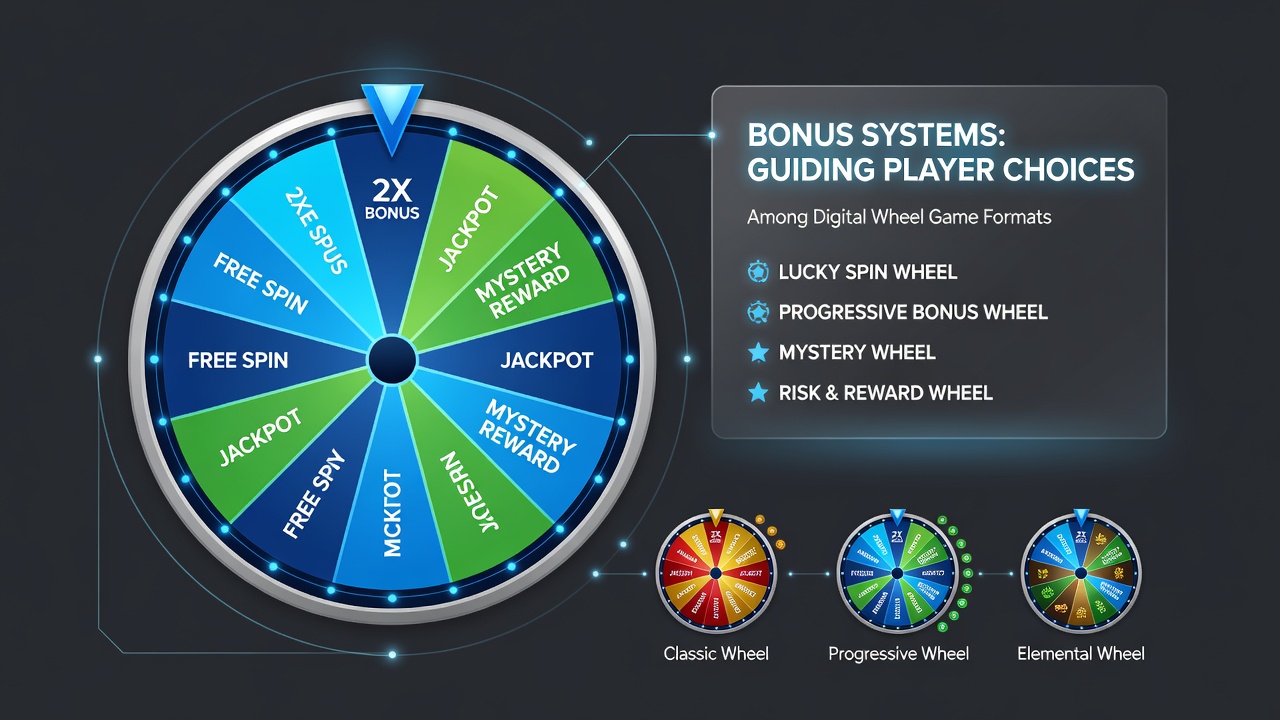
Operators monitor real-time data streams that track which bonus types trigger switches between formats, allowing rapid recalibration of promotional offers. In regions with strict advertising standards, bonus promotions must avoid language that guarantees outcomes, focusing instead on structural advantages such as extended playtime or reduced effective house edge during promotional windows.
Comparative Effects on Different Wheel Categories
Multiplayer wheel environments and single-player RNG versions respond differently to the same bonus structures, with live-dealer formats often receiving higher weighting because of elevated operational costs. Bonus systems that include time-limited multipliers tend to accelerate play in faster RNG wheels while slower live tables see steadier but lower-volume participation. Evidence suggests that loyalty programs incorporating milestone rewards for consecutive daily spins produce sustained engagement across both categories, although the distribution favors formats that allow quicker accumulation of required actions.
Seasonal campaigns launched around major sporting events or platform anniversaries frequently bundle wheel bonuses with deposit incentives, creating temporary surges in particular variant usage. These campaigns rely on segmented player data to determine which formats receive promotional emphasis, ensuring that traffic aligns with available dealer capacity or RNG server load.
Conclusion
Bonus systems function as operational levers that shape how participants distribute activity among digital wheel game formats through precise rules on eligibility, weighting, and redemption. Data collected across regulated markets demonstrates consistent directional effects on variant selection, with operators refining these tools in response to both regulatory requirements and performance metrics. As platforms continue to adjust parameters in late 2026, the interplay between incentive design and player navigation remains a central feature of digital wheel gaming ecosystems.