
Promotional Reward Systems Directing Roulette Variant Preferences Across Digital Platforms
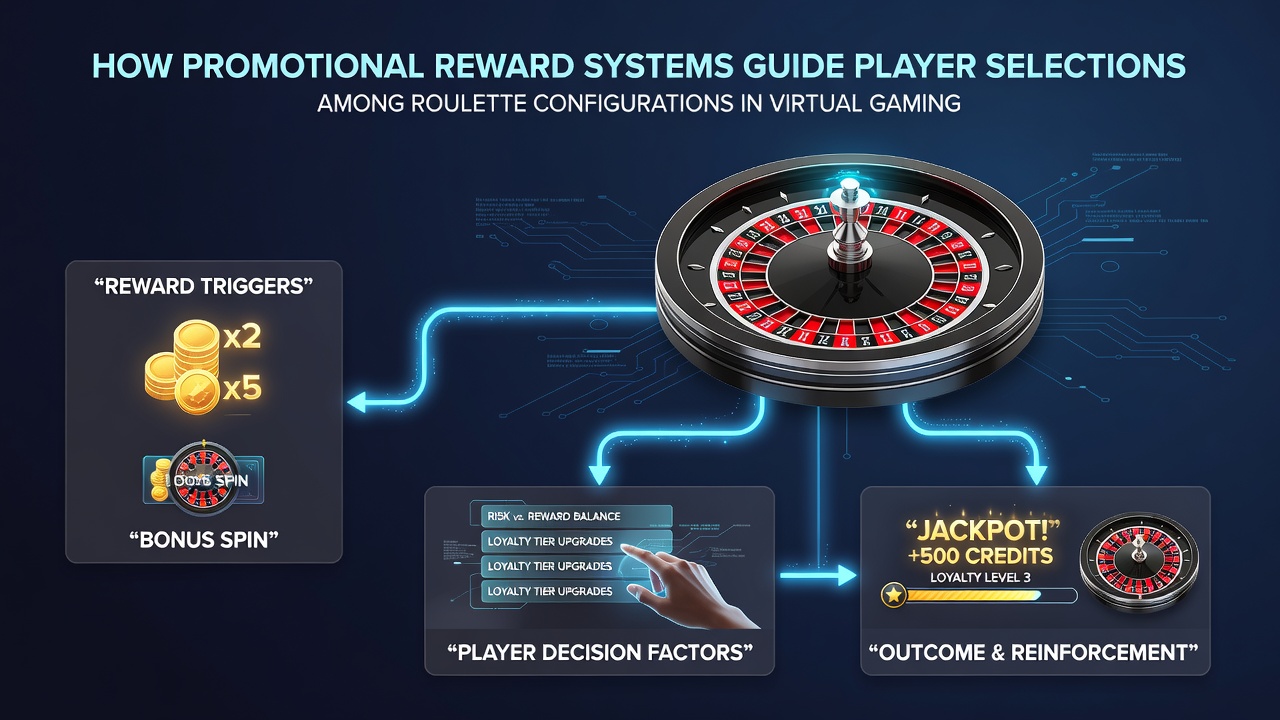
Promotional reward systems in virtual gaming platforms operate through structured incentives that tie bonus funds, loyalty points, and cashback offers directly to specific roulette configurations, and these mechanisms shape player selections by requiring wagering on designated variants before funds become withdrawable. Data from October 2026 indicates that platforms adjust these requirements seasonally to align with regulatory reporting periods in multiple jurisdictions, creating measurable shifts in which roulette types receive the highest play volumes.
Mechanics of Reward Allocation in Roulette Environments
Operators structure welcome bonuses and reload promotions with playthrough conditions that specify roulette wheel types, and European single-zero configurations often receive lower contribution rates toward requirements compared with American double-zero variants because the house edge difference affects how quickly players complete wagering targets. Research indicates that loyalty programs award tier points at different rates depending on whether players select live dealer tables or RNG-based wheels, which leads participants to favor configurations that accelerate progression through reward tiers.
Platform algorithms track these selections in real time, and operators respond by modifying the contribution percentages attached to each roulette type when overall player distribution falls outside projected ranges. In October 2026 several major sites implemented temporary adjustments that increased bonus eligibility for French roulette variants featuring la partage rules after internal metrics showed underutilization of those tables.
Player Decision Patterns Under Incentive Constraints
Observers note that players frequently begin sessions by selecting the roulette configuration that carries the highest contribution percentage toward bonus clearance, and this behavior persists even when the chosen variant presents a higher house edge. Studies conducted by academic gaming research groups have documented that cashback offers tied to net losses on specific wheel types produce sustained engagement with those configurations across multiple sessions.
Multi-wheel and mini-roulette formats sometimes appear in promotional calendars with accelerated point multipliers, and participants who monitor these calendars adjust their selections accordingly to maximize reward accumulation. Data shows that such targeted promotions generate temporary spikes in play volume for those configurations before volumes return to baseline once the promotion period ends.
Regulatory Context and Platform Adaptations in Late 2026
Regulatory bodies in several regions require operators to report the distribution of promotional play across game categories, and October 2026 filings reveal increased scrutiny on whether reward systems disproportionately steer players toward higher-volatility roulette variants. Platforms respond by publishing transparent contribution tables that list each roulette configuration alongside its bonus eligibility percentage, allowing players to calculate expected outcomes before committing funds.
Industry organizations have compiled comparative reports on how different jurisdictions handle these disclosures, and one analysis from the European Gaming and Betting Association highlights that operators in regulated markets maintain more granular tracking of roulette selections than those in less restrictive environments. Players who review these tables before depositing often route their activity toward configurations that balance reward progress with statistical return expectations.
Comparative Effects Across Platform Types
Live dealer platforms integrate reward systems that credit points based on table limits and betting patterns, whereas RNG platforms apply uniform multipliers regardless of stake size, and this distinction influences which player segments gravitate toward each format. Research from university gaming laboratories indicates that high-volume players migrate toward live configurations when promotions include dealer-interaction bonuses, while recreational players remain on RNG wheels when simpler contribution rules apply.
Operators track these migrations through session-level data, and adjustments to promotional structures occur when one configuration type begins to dominate overall roulette traffic. In October 2026 several platforms introduced hybrid promotions that awarded additional free bets after players completed requirements across both live and RNG roulette variants, producing more balanced selection patterns.
Long-Term Shifts in Configuration Popularity
Longitudinal data collected by gaming analytics firms demonstrates that sustained promotional emphasis on a particular roulette type correlates with lasting increases in its baseline popularity, even after the specific offer concludes. Players who become accustomed to a configuration through repeated bonus-driven exposure often continue selecting that variant in subsequent non-promotional sessions.
Platform operators monitor these retention effects when designing future campaigns, and they rotate emphasis among European, American, and specialty roulette formats to prevent any single configuration from dominating long-term traffic statistics. October 2026 reports from multiple operators show deliberate diversification of reward structures to maintain engagement across the full range of available roulette options.
Conclusion
Promotional reward systems function as structured filters that guide player selections among roulette configurations by aligning bonus eligibility with operator objectives, and the resulting patterns appear consistently in platform data across regulated markets. Continued monitoring of these dynamics in late 2026 reveals ongoing adjustments as operators balance regulatory requirements with engagement goals, while players respond to the incentives through calculated choices among available variants.